
As you explore the worlds of Final Fantasy and World of Warcraft, you’ll encounter distinct game mechanics that greatly shape your questing experience. While both games transport you through intricately woven narratives, they diverge in how they handle character progression, quest structures, and interactive environments. You might find yourself pondering whether the intricate job system in Final Fantasy offers more personalized growth, or if WoW’s dynamic questing brings a greater sense of world immersion. What impacts might these differences have on your overall gaming satisfaction? Consider these aspects as you evaluate which gameplay experience resonates more profoundly with your own adventures.
Key Takeaways
- Final Fantasy and WoW both employ complex quest structures with NPC-driven narratives and sophisticated reward systems.
- Character progression in both games is achieved through leveling up via experience points, enhancing attributes like strength and stamina.
- Both games feature customizable skill trees, allowing for personalized combat strategies and character development.
- Combat in WoW emphasizes ability rotation and cooldown management, whereas Final Fantasy focuses on ability scaling and tactical maneuvers.
- Exploration is incentivized in both games through unique rewards and achievements, enriching player engagement with diverse and interactive environments.
Defining Quest Structures
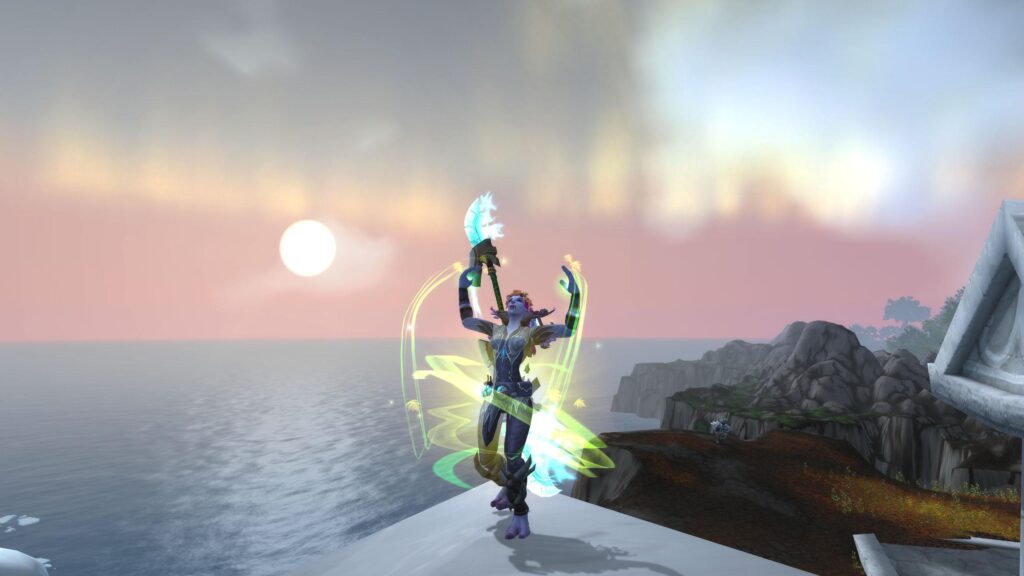
Quest structures in both Final Fantasy and World of Warcraft serve as the backbone, guiding your adventure through their expansive worlds. As you immerse yourself into these games, you’ll find that questing isn’t just about hacking and slashing through enemies; it’s about engaging deeply with the environment and its inhabitants.
In World of Warcraft, you’ll interact with numerous NPCs (non-player characters), each offering quests with specific tasks. These interactions aren’t just transactional; they weave complex narratives that enrich the world around you. Similarly, Final Fantasy’s quests involve rich dialogues with NPCs, enhancing the storyline and your connection to the game world.
Both games employ sophisticated reward systems that incentivize you to complete quests. Typically, rewards include experience points, items, or currency, which are critical for your character’s advancement. However, these games often introduce unique rewards that align with the story’s theme or the specific character of the NPC, adding layers of depth and personalization to your gameplay experience.
Understanding these mechanics, you’ll see how each quest you undertake is more than a mere task; it’s a pivotal step in your character’s journey, shaped by the people you meet and the rewards you earn.
Character Progression Systems
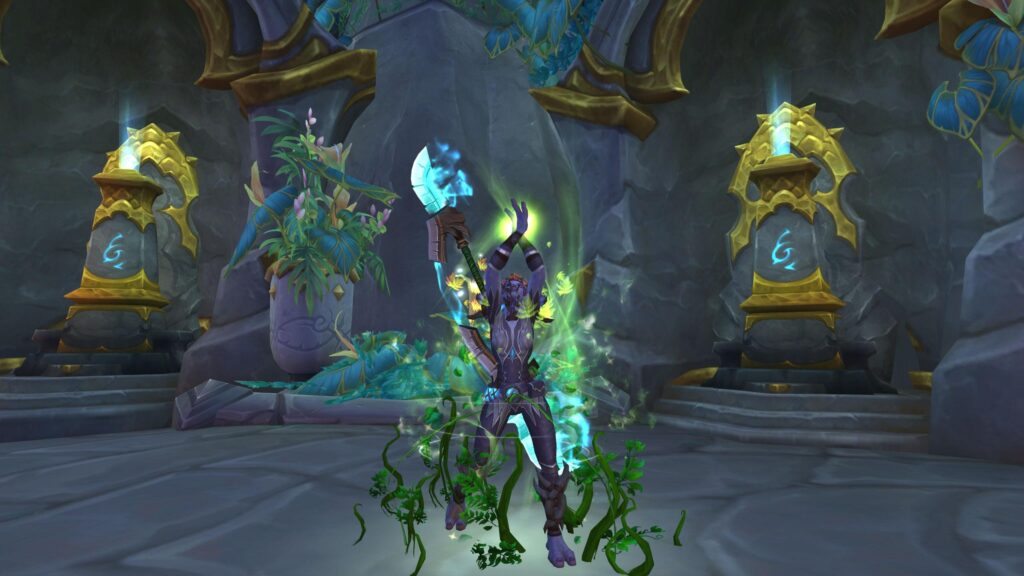
As you explore character progression systems in Final Fantasy and WoW, you’ll notice distinct approaches in leveling up mechanics. Both games offer unique skill trees that provide a roadmap for character development, but their impact on gameplay can vary greatly.
Additionally, the way gear is acquired and its influence on a player’s power and abilities is a critical aspect of each game’s progression system.
Leveling Up Mechanics
In both Final Fantasy and WoW, you’ll explore distinct character progression systems that greatly shape your gaming experience. As you immerse yourself in these worlds, you’ll encounter leveling up mechanics centered around experience rewards and power scaling.
In WoW, each quest completion or enemy defeat garners you experience points (XP), which accumulate to level up your character. This increase in level directly influences your character’s power, enhancing attributes like strength and stamina. Similarly, Final Fantasy employs a progressive XP system, where the completion of story missions and side quests provides XP that scales your character’s abilities and overall power.
Both games create a rewarding feedback loop, where your efforts directly correlate to increased capabilities, shaping how you interact with the game world.
Skill Trees Exploration
Exploring skill trees in both Final Fantasy and WoW allows you to customize your character’s abilities to suit your playstyle. In Final Fantasy, the skill trees provide a vast array of options that enhance skill flexibility, letting you adapt to different combat scenarios or team roles. You might choose a path that emphasizes healing, damage output, or defensive tactics, depending on your preference and the needs of your team.
WoW offers similarly diverse mastery options, each designed to refine your character’s strengths. Whether you’re gearing up for solo quests or group raids, these skill trees allow a deep level of customization. Mastery options aren’t just about power; they’re about making your character uniquely yours, tailoring abilities that complement your strategic approach to the game.
Gear Acquisition Impact
Understanding how you acquire gear in Final Fantasy and WoW is crucial, as it greatly impacts your character’s progression and effectiveness in various game scenarios. In both games, your approach to gearing up involves a mix of strategy and dealing with loot randomness. You’ll find that each game employs distinct acquisition strategies that shape your gaming experience.
- Loot Randomness: The unpredictability of gear drops can either hinder or accelerate your progress, depending on your luck.
- Quest Rewards: Structured rewards from quests provide a more predictable means of upgrading your equipment.
- Crafting Systems: Both games allow you to craft gear, offering a reliable but resource-intensive alternative to random drops.
These elements make sure that every player’s journey through these worlds is uniquely challenging.
Combat Dynamics Compared
Combat dynamics in Final Fantasy and WoW differ greatly, shaping how you engage with each game. In Final Fantasy, ability scaling is essential; your skills grow more potent as your character levels up, directly influencing how you handle various enemies. Tactical maneuvers also play a significant role, requiring you to think strategically about positioning and timing during battles. This approach makes every encounter a test of your foresight and adaptability.
In contrast, WoW focuses more on the selection and rotation of abilities. It’s about choosing the right tool for the job and managing cooldowns effectively to maximize damage or healing output. The combat is more about reacting to immediate threats and less about long-term planning. You’ll find that WoW’s system encourages a faster-paced, more reactive style of play. Here, understanding the synergies between different abilities and how they can be combined in real-time is key to mastering the game.
Both games offer unique challenges that will test your skills in different ways. Whether you prefer the thoughtful, strategic battles of Final Fantasy or the quick, responsive encounters in WoW, you’re in for a combat experience that’s both engaging and rewarding.
World Design and Exploration
As you explore the worlds of Final Fantasy and WoW, you’ll notice the stark contrasts in their geographic landscapes, each designed to enhance your gaming experience.
Both games employ unique mechanisms to encourage exploration, rewarding you for your curiosity with quests, items, and lore. Additionally, the environments aren’t just backdrops; they’re interactive, allowing you to engage with various elements that affect your journey and strategies.
Diverse Geographic Landscapes
Final Fantasy and World of Warcraft both captivate players with their expansive and intricately designed geographic landscapes, offering diverse worlds for exploration and adventure. Both games masterfully incorporate climate influence and cultural diversity, enriching each region’s uniqueness and depth. You’ll find that each environment isn’t just a backdrop but a character in its own right, influencing narratives and quests.
- Climate Influence: Varied climates affect not only the visual appeal but also the gameplay mechanics, such as character stamina and mobility.
- Cultural Diversity: Each area’s design reflects its unique culture, impacting architecture, NPC interactions, and available quests.
- Integrated Storytelling: Geographic elements are woven into the storyline, making exploration a critical component of the narrative.
Exploration Incentive Mechanisms
Exploring these games further, let’s examine how Final Fantasy and World of Warcraft motivate you to discover their vast worlds through unique exploration incentive mechanisms.
Both games cleverly use travel rewards and discovery bonuses to push you to venture into unknown territories. In Final Fantasy, you’ll find that delving into new zones can often reveal special mounts or unique cosmetic items, rewarding your curiosity and bravery.
Similarly, World of Warcraft offers achievements and title rewards specific to areas you explore, adding layers of prestige and recognition to your in-game character. These mechanisms not only enrich your gaming experience but also deepen your engagement with the game’s world, ensuring you’re always excited to see what’s just beyond the next hill.
Interactive Environmental Elements
World of Warcraft and Final Fantasy immerse you in meticulously crafted environments where every element invites interaction and exploration. Both games use interactive environmental elements to enhance your experience. Weather effects shift dynamically, affecting your visual perception and strategic approach. A day-night cycle not only changes the aesthetics but also influences the behavior and availability of certain NPCs and creatures.
- Weather Effects: Rain might reduce visibility or enhance magical abilities, adding layers to gameplay strategy.
- Day-Night Cycle: Specific quests and events are accessible only at certain times, requiring you to plan your adventure.
- Interactive Objects: From destructible terrain to hidden passages, every object potentially leads to new discoveries or tactical advantages.
Narrative and Storytelling
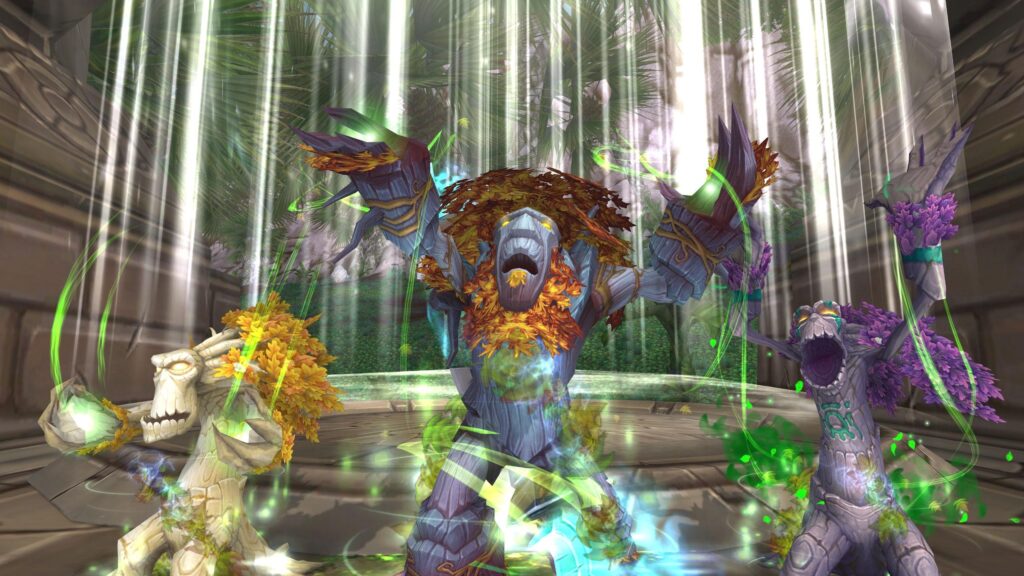
In both Final Fantasy and World of Warcraft, the narrative depth and storytelling techniques play pivotal roles in engaging players. You’ll find that character motives and emotional depth are intricately woven into the fabric of each game, making your journey not just a series of quests, but a rich, personal experience.
| Feature | Final Fantasy | World of Warcraft |
|---|---|---|
| Main Story Arc | Epic, personal | World-spanning, epic |
| Character Depth | Highly individualized | Varied, with backstories |
| Emotional Engagement | Intense, character-driven | Quest-driven, variable |
| Player Impact | Decisive in outcomes | Influential, less direct |
In Final Fantasy, you’re often thrown into a world where your decisions resonate deeply with personal stories and outcomes. The emotional journey is palpable, as each character’s motive is not just a footnote—it’s a driving force.
Conversely, World of Warcraft offers a broader canvas, where your character is part of larger narratives. The emotional depth varies, with some quests feeling deeply personal, while others serve the larger story’s progression.
As you immerse yourself into these worlds, notice how the stories unfold through your actions. Each game crafts its narrative to not only entertain but immerse you, making every quest and interaction meaningful.
Multiplayer and Community Interactions
Multiplayer dynamics and community interactions greatly shape your experience in both Final Fantasy and World of Warcraft. As you immerse yourself in these worlds, you’ll find that both games emphasize guild management and foster a sense of community through social events, but they do so in unique ways.
In World of Warcraft, guilds are critical. You’re not just joining a group; you’re becoming part of a complex organization with its own culture and hierarchy. Guild management here can be demanding, involving everything from organizing raids to resolving conflicts among members.
Final Fantasy, on the other hand, promotes a different kind of community interaction through its Free Companies. These are similar to guilds but often feel more like tight-knit families. Social events in Final Fantasy can range from in-game weddings to holiday festivals, adding layers of engagement outside of traditional gameplay.
Here are a few key points to keep in mind:
- Guild Management: In WoW, it’s complex and hierarchical, while in Final Fantasy, it’s more about communal support.
- Social Events: WoW focuses on large-scale, competitive events, whereas Final Fantasy offers more varied and culturally rich experiences.
- Community Building: Both games provide tools to facilitate communication and collaboration, enhancing the multiplayer experience.
Both games offer rich, interactive environments that can significantly impact your gaming journey.
Graphical and Audio Elements
Shifting focus to the sensory experiences, let’s explore how Final Fantasy and World of Warcraft differ in their graphical and audio elements. When you immerse yourself in Final Fantasy, you’re greeted with high-resolution textures and a visually rich palette that enhances the immersive experience. The texture quality in Final Fantasy often showcases intricate designs, from character outfits to expansive landscapes, giving a more realistic and detailed visual appeal.
On the other hand, World of Warcraft features a more stylized approach with its graphics. The texture quality, while effective, prioritizes a unique artistic style over photorealism. This distinction sets a different tone, one that aligns with the game’s mythical and expansive universe.
Turning to the soundtracks, both games excel, but in noticeably different ways. Final Fantasy’s soundtracks are renowned for their orchestral depth, often weaving complex compositions that mirror the emotional arcs of the story. Nobuo Uematsu’s compositions, for instance, have gained global acclaim for their ability to evoke deep feelings.
World of Warcraft, however, employs a dynamic range of music that adapts to in-game environments and scenarios, enhancing the player’s immersion. Each zone’s theme perfectly encapsulates its essence, creating a diverse and adaptive auditory experience that complements its ever-changing world.
Evolution of Game Mechanics
Game mechanics in Final Fantasy and World of Warcraft have evolved greatly, adapting to player feedback and technological advancements. Over the years, you’ve witnessed these games transform, enhancing your gaming experience profoundly.
Initially, both games offered linear gameplay, but they’ve shifted towards granting you more player autonomy. This shift has allowed you to explore vast worlds at your own pace and make choices that impact your in-game journey. Reward variability has also been a critical focus. Both games now feature dynamic reward systems that tailor loot and experience gains based on your performance and decisions during gameplay. This not only makes the game more engaging but also adds a layer of strategy that keeps you coming back.
Here’s how these changes affect your experience:
- Player Autonomy: You’re no longer just following a set path; you create your unique story.
- Reward Variability: Rewards now reflect how well you play, pushing you to hone your skills.
- Technological Advancements: Improved AI and graphics make gameplay more immersive and responsive.
These enhancements make sure that every session is unique, challenging you to think and adapt continuously, thereby keeping the gameplay fresh and exciting.
Frequently Asked Questions
How Do Microtransactions Impact Gameplay in Wow and Ff?
Microtransactions in games like WoW and FF can disrupt economic balance and impact player engagement, potentially prioritizing profit over gameplay quality. You might find yourself spending more to stay competitive or enjoy content.
What Are the Server Stability Issues for Both Games?
You’ll notice both games can have server downtime issues, impacting your play. They’re continually working on performance optimization to enhance stability and reduce disruptions, aiming for a smoother experience in your gaming sessions.
How Do Game Patches Affect Existing Player Strategies?
Game patches often introduce balance tweaks, affecting your current strategies. You’ll need to adapt as meta shifts occur, potentially altering your approach to gameplay and challenging you to rethink your tactics and team compositions.
What Are the Average Session Lengths for Players?
You’re looking into how long players typically game, right? Player demographics and engagement metrics show that session lengths vary widely, depending on age, lifestyle, and the specific interests of each gaming community.
How Do Parental Controls Function in Each Game?
Parental controls in both games allow you to set playtime limits and chat restrictions to manage how much and how you interact. Each game offers tools tailored to safeguard younger players effectively.
Conclusion
To sum up, both Final Fantasy and World of Warcraft excel in delivering complex quest mechanics and engaging character progression systems. You’ll find that each game offers unique combat dynamics, expansive worlds, and deep narratives that enhance your gaming experience.
While WoW emphasizes community interaction, Final Fantasy shines with its cinematic storytelling. Both games continuously evolve, refining their mechanics to keep you captivated. Whether you’re questing solo or with friends, these games promise a rich and rewarding journey.
Wanna more analyze? Look here!