
You’ve likely noticed that raiding in Final Fantasy XIV and World of Warcraft presents a fascinating array of challenges and strategies. While Final Fantasy XIV demands precise role fulfillment and teamwork, World of Warcraft requires you to juggle tasks and adapt quickly to ever-changing raid dynamics. But have you ever paused to contemplate how these differences affect your overall raiding experience or your growth as a player? Let’s compare the core mechanics and strategic nuances that might not only shape your gameplay but also influence your choice between these iconic worlds. What might you discover about your preferred style and capabilities in the process?
Key Takeaways
- Final Fantasy XIV raids require mastering specific roles and adapting strategies across sequenced encounters.
- World of Warcraft offers flexible raid sizes, affecting coordination and team dynamics.
- WoW’s complex boss mechanics involve multi-phase fights and role-specific tasks.
- Final Fantasy XIV’s progression system rewards thorough understanding and strategic execution in raids.
- Communication and role clarity are essential in both games, with WoW emphasizing varied loot distribution systems.
Overview of Raiding in MMORPGs
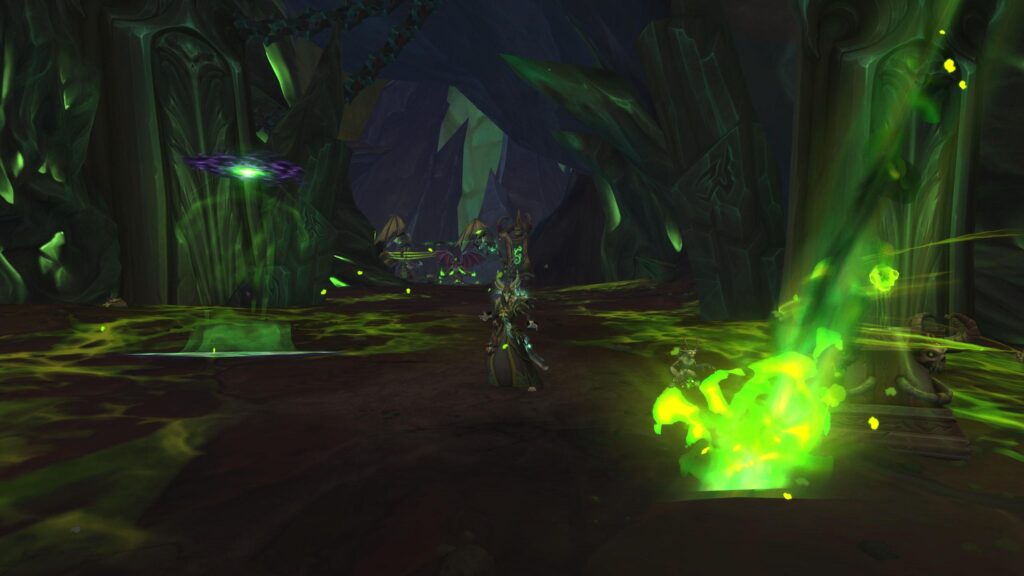
Raiding in MMORPGs, a challenging and cooperative endeavor, immerses you in complex battles against formidable bosses. This facet of gameplay not only tests your strategic acumen but also deepens your engagement with the community. As you join forces with others, you’re woven into a tapestry of alliances and rivalries, all driven by a collective goal. The camaraderie developed during these raids can transform your gaming experience, making every victory feel shared and every defeat a group lesson.
The progression systems in these games further hook your interest. As you tackle more raids, you’re rewarded not just with loot, but also with experience that aids in developing your character’s abilities. This gradual enhancement of skill and gear is meticulously crafted to keep you yearning for the next challenge. Each raid could reveal new mysteries and abilities, propelling you to refine your strategies and collaborate more effectively.
Thus, community engagement and progression systems aren’t just features; they’re the core engines that drive the raiding experience in MMORPGs. They make sure that with each raid, you’re not just playing—you’re evolving, learning, and most importantly, belonging.
Raid Structure in Final Fantasy XIV
In Final Fantasy XIV, the raid structure is designed to challenge and engage players through a series of intricately crafted encounters. As you immerse yourself in these raids, you’ll find that raid progression is a key element that shapes your experience. Starting from entry-level raids to more complex ones, each step requires a deeper understanding of the mechanics and better coordination with your team.
Your party roles are vital in this setup. You might take on the role of a tank, responsible for managing the enemy’s attention and minimizing the damage to other members. Or perhaps you’ll choose to be a healer, where your focus is on keeping everyone alive through intense battles. DPS (damage per second) players, on the other hand, are tasked with dealing as much damage as possible, racing against time to bring down formidable foes.
Each raid in Final Fantasy XIV builds upon the previous, pushing you and your team to strategize and adapt. This layered progression ensures that you’re always facing fresh challenges, keeping the gameplay exciting and rewarding. Understanding your role and mastering it’s key to conquering these epic battles and advancing through the raid tiers.
Raid Structure in World of Warcraft
As you explore the raid structure in World of Warcraft, you’ll find that raid size can vary greatly, offering flexibility in how you assemble your team.
Each boss within these raids introduces a unique set of mechanics, demanding strategic coordination and quick reflexes.
Moreover, the loot distribution systems in WoW, such as personal loot or master loot, greatly impact how rewards are shared among players.
Raid Size Variability
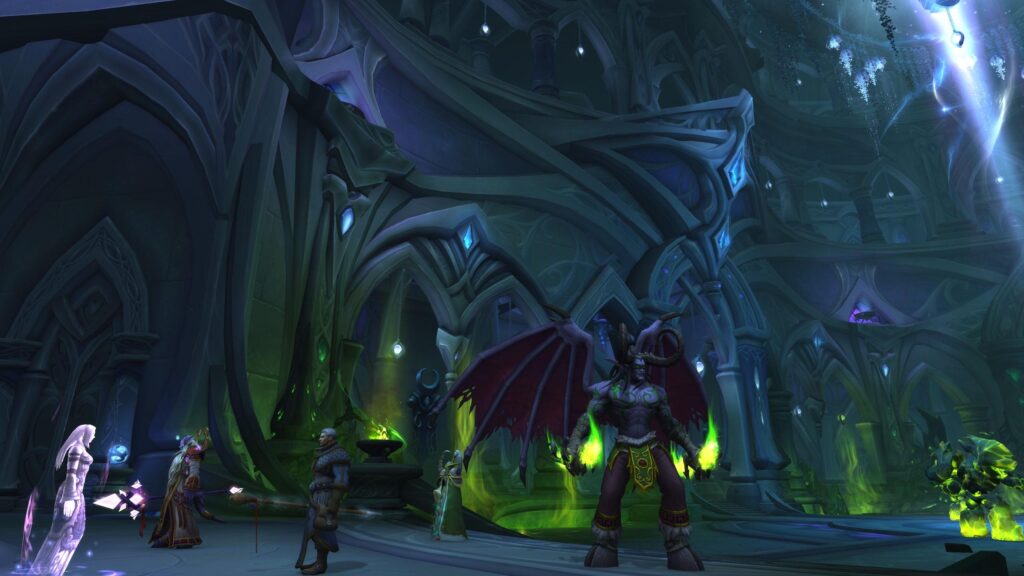
World of Warcraft offers raid sizes that can vary, accommodating as few as 10 or as many as 30 players. This flexibility greatly impacts group dynamics, as you’ll find the coordination and communication within your team can shift drastically with the number of players.
Managing a larger group requires more intricate player roles and a keen understanding of each member’s responsibilities. In smaller raids, you’re often expected to multitask, covering more than your designated role. This setup tests your adaptability and teamwork skills.
Whether you’re strategizing with a tight-knit group of 10 or coordinating a diverse team of 30, understanding and executing your role effectively is vital for overcoming the challenges that await in these epic encounters.
Boss Mechanics Complexity
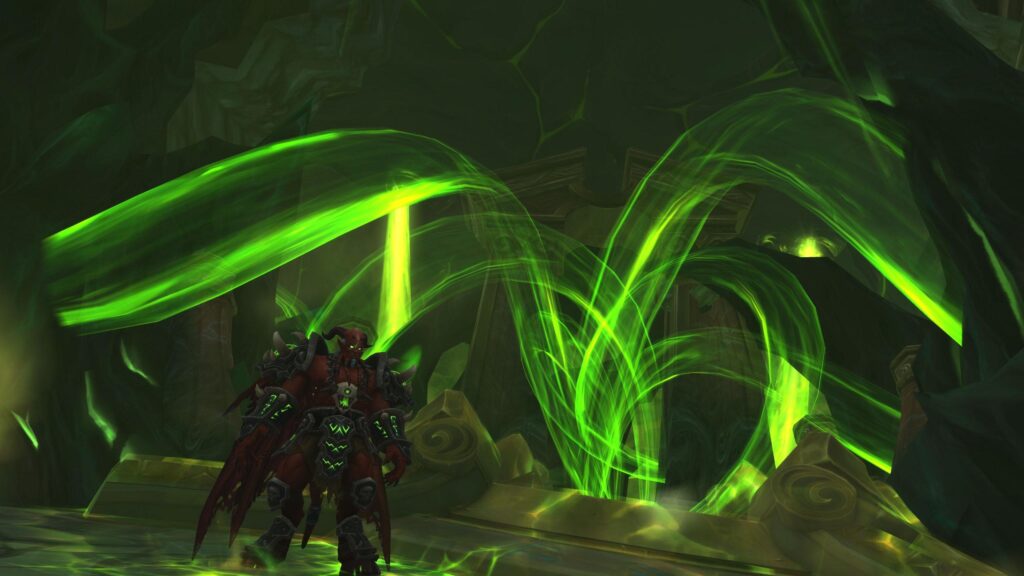
You’ll encounter a diverse array of complex boss mechanics in World of Warcraft’s raids, each designed to test your team’s strategy and reaction skills. Here’s a glimpse into what you’ll face:
- Timed Coordination Challenges – Certain bosses require precise timing and player coordination, demanding that you execute tasks synchronously.
- Environmental Hazards – You’ll need to adapt quickly to changing environments, dodging area effects and manipulating surroundings to your advantage.
- Multi-phase Boss Fights – Bosses often change tactics mid-fight, requiring rapid mechanic adaptation and strategic flexibility from the raid group.
- Role-Specific Tasks – Specific challenges target different roles within the raid, emphasizing the need for every player to understand their part perfectly.
Loot Distribution Systems
Raiders in World of Warcraft can encounter various loot distribution systems, each designed to fairly allocate rewards among the group. Whether you’re part of a casual guild or a hardcore raid team, understanding these systems is key to managing player expectations and maintaining reward fairness.
You might come across loot council, where designated leaders distribute items based on contribution and need, or DKP (Dragon Kill Points), a points-based system rewarding consistent participation. Some groups prefer a simpler roll-based method, letting chance decide who gets the loot.
Each system has its pros and cons, but the goal remains the same: to distribute loot in a way that feels fair to everyone involved, aligning with the group’s overall objectives and expectations.
Mechanic Complexity and Strategy
When comparing the raiding tactics of Final Fantasy and WoW, it’s important to examine the complexity of mechanics and strategic demands each game presents. Both games require significant player adaptability and communication efficiency, but they manifest these requirements differently.
Here’s how these elements play out in each game:
- Player Adaptability:
- In Final Fantasy, raids often introduce unique, fight-specific mechanics that demand players learn and adapt quickly to avoid team wipes.
- WoW challenges adaptability mostly through environmental effects and boss behavior that can change dynamically during encounters.
- Communication Efficiency:
- Final Fantasy’s raids require precise coordination, especially during high-level content where a single misstep can be catastrophic, necessitating clear, concise communication.
- WoW promotes an environment where communication is key for managing larger raid groups and complex role-based tasks, such as handling adds or switching targets.
Both games push you to strategize extensively, whether you’re planning positioning, managing cooldowns, or executing phase changes. These tasks test your ability to think on your feet and synchronize with your team, making raiding a deeply engaging experience in both worlds.
Cultural Impact on Player Base
The cultural impact of raiding in Final Fantasy and WoW deeply influences their respective player bases, shaping community norms and player expectations. You’ll find that the narrative influence of each game embeds itself not only in the gameplay but also in the cultural fabric of its global communities.
In Final Fantasy, the rich, ongoing storyline enhances community engagement, pulling you into a continuously evolving world. This narrative depth creates a unique cultural imprint, fostering a player base that values story as much as action. You’re not just raiding for gear; you’re part of a living, breathing saga.
Meanwhile, WoW, with its iconic legacy, draws on a diverse tapestry of lore that has been expanding for over a decade. This vast narrative scope appeals to a broad range of players, creating a melting pot of cultures within its community. You might notice that this diversity influences everything from guild dynamics to gameplay styles, promoting a culture of inclusivity and collaboration.
Both games, through their distinct narrative structures, cultivate dedicated followers who not only play but also contribute to the lore through fan fiction, artwork, and various forms of digital interaction. This cultural engagement enhances the overall experience, making each raid not just a battle, but a story unfolding.
Improving Raid Tactics and Skills
How can you enhance your raid tactics and skills in games like Final Fantasy and WoW? Improving your performance isn’t just about grinding levels; it’s about mastering the nuances of team dynamics and communication protocols. Here’s how you can level up:
- Study Each Role: Understand not just your role but every team member’s responsibilities. This knowledge allows you to anticipate moves and synchronize more effectively during complex raid scenarios.
- Regularly Review and Debrief: After each raid, gather your team for a debrief session. Discuss what went well and what didn’t. This habit not only helps in pinpointing mistakes but also in celebrating small victories, which boosts morale.
- Establish Clear Communication Protocols: Decide on the communication tools and signals beforehand. Whether it’s voice chat or text commands, clarity in communication is vital. Make sure everyone knows how to report statuses and call out for help.
- Simulate Difficult Encounters: Use practice runs to simulate the toughest parts of a raid. These simulations help you refine strategies and improve reaction times without the pressure of the actual raid stakes.
Frequently Asked Questions
What Is the Average Duration of a Raid in Wow?
You’ll find that the average WoW raid lasts about 2 to 4 hours, depending on raid complexity and player coordination. Collaborating effectively is crucial to conquering these challenging multiplayer environments.
How Often Are New Raids Released in Ffxiv?
In FFXIV, new raids are typically released every six months. This schedule allows for ongoing raid design evolution and gives the community ample time to respond and adapt to each new gameplay challenge.
Are There Exclusive Rewards for First-Time Raid Completions?
Yes, you’ll find that first-time raid completions often offer exclusive rewards. These reward mechanics boost raid prestige, incentivizing players to tackle new challenges early for unique items or status symbols.
Can You Solo Old Raids in Both Games?
Yes, you can solo old raids in both games if your gear meets the requirements. Solo challenges like these offer a great way to experience past content at your own pace.
What Are the Penalties for Leaving a Raid Early?
If you leave a raid early, you’ll disrupt group dynamics and might harm your player reputation, as your team relies on each member to contribute until the end of the session.
Conclusion
To summarize, becoming proficient at raiding in MMORPGs like Final Fantasy XIV and World of Warcraft necessitates understanding their unique structures and mechanics.
Final Fantasy XIV prioritizes precise role execution and coordination, while World of Warcraft requires adaptability across varying raid sizes and complex loot systems.
Both games challenge you to enhance tactical skills and strategize effectively, influencing their diverse player bases culturally.
Improving these tactics is vital for your success, bridging the gap between mere participation and mastering high-level raid content.
Wanna more? Look here!