
Crafting material scarcity plays a decisive role in shaping regional economies. When supply tightens, prices diverge sharply between regions, creating distinct economic identities driven by availability, player behavior, and timing.
Scarcity turns local markets into strategic environments.
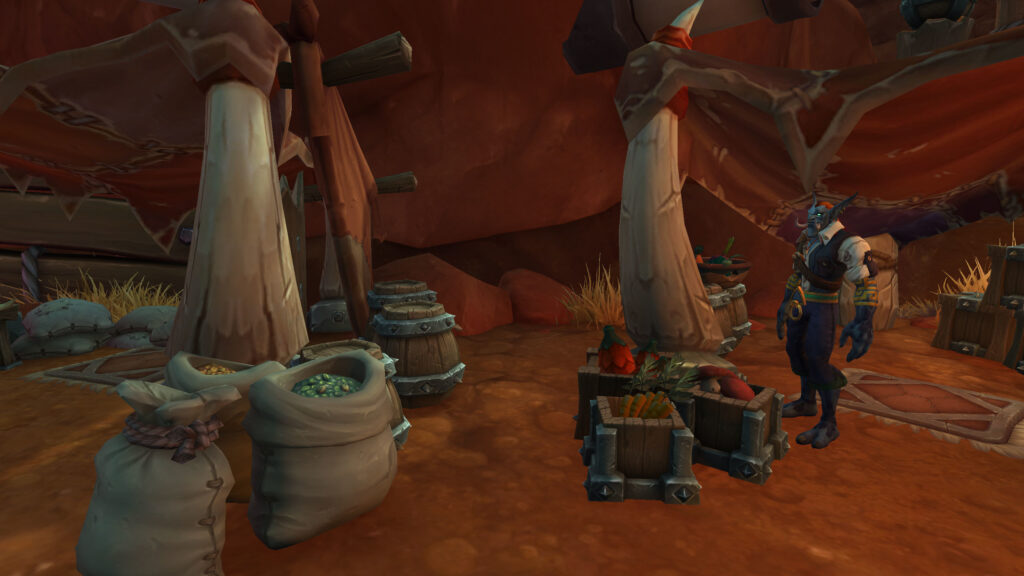
Why Scarcity Emerges Unevenly
Not all regions experience scarcity at the same pace. Population density, playtime habits, and preferred content influence how quickly materials enter circulation.
Supply imbalance forms naturally.
Immediate Market Reactions
When materials become scarce, prices spike rapidly. Crafters compete for limited stock, and speculative buying accelerates volatility.
Markets react faster than production can adjust.
Economic Trends Driven by Material Shortages
Scarcity reshapes behavior across the region.
- Increased farming activity in specific zones
- Shift toward alternative crafting paths
- Hoarding by high-capital players
- Greater price gaps between peak and off-hours
Behavior adapts to pressure.
Regional Identity in Trading
Some regions become known for abundance, others for premium pricing. These reputations influence long-term trading habits.
Markets develop character.
Long-Term Stabilization Patterns
Over time, scarcity invites response. More players farm, routes optimize, and supply gradually increases.
Prices normalize but rarely return to baseline.
Opportunities for Informed Players
Players who track regional trends profit from timing and movement of goods. Awareness becomes a competitive edge.

Knowledge replaces volume.
Conclusion
Crafting material scarcity influences regional economy trends by amplifying price volatility, shaping player behavior, and creating distinct market identities. In a fragmented economy, understanding scarcity is as valuable as production itself.