
As you weigh the merits of World of Warcraft against Final Fantasy for the ultimate gaming experience, consider what draws you deeper into a game. Is it the expansive, mythologically rich worlds of WoW, with its strategic, team-based combat and deep customization that lets you tailor your character to your exact play style? Or do you find yourself more captivated by Final Fantasy’s cinematic visuals, complex narratives, and a combat system that challenges you to think more about your role within a team? Each game offers a unique avenue for immersion and engagement, but which one keeps you coming back for more? Let’s explore this further.
Key Takeaways
- WoW features strategic class-specific combat, while Final Fantasy emphasizes dynamic, role-switching tactics.
- Final Fantasy offers more detailed character customization compared to WoW’s class and race-based options.
- WoW uses a cartoon-like graphic style, whereas Final Fantasy boasts hyper-realistic visuals for a cinematic experience.
- Both games provide robust community features, but Final Fantasy is known for its player-driven events.
- WoW has a straightforward subscription model; Final Fantasy offers tiered subscriptions and more character options per server.
Game World and Lore
Exploring the rich, expansive worlds of WoW and Final Fantasy, you’ll find deeply immersive lore that shapes every aspect of gameplay. Both games draw heavily from historical influences and mythological elements, creating universes that resonate with echoes of ancient myths and real-world history.
In World of Warcraft (WoW), you’ll notice the Norse and Celtic mythologies interwoven into the fabric of its lore. From the stoic dwarves to the enigmatic elves, the characters and their stories are reminiscent of ancient sagas. The game’s world, Azeroth, itself is a complex tapestry of kingdoms, each with its history, inspired by medieval and fantasy themes.
Final Fantasy, on the other hand, integrates a broader spectrum of mythological influences, ranging from Japanese folklore to Western legends. Each installment in the series introduces a new world and characters, but common themes like crystals, powerful deities, and an enduring struggle between harmony and chaos run deep. Its historical references are often subtler, woven into the game’s aesthetic and character archetypes, reflecting samurai honor codes or the romanticism of Arthurian knights.
Both games use these rich backdrops not just for storytelling but as a foundation for the entire gaming experience, influencing everything from character missions to world-building elements.
Character Customization Options
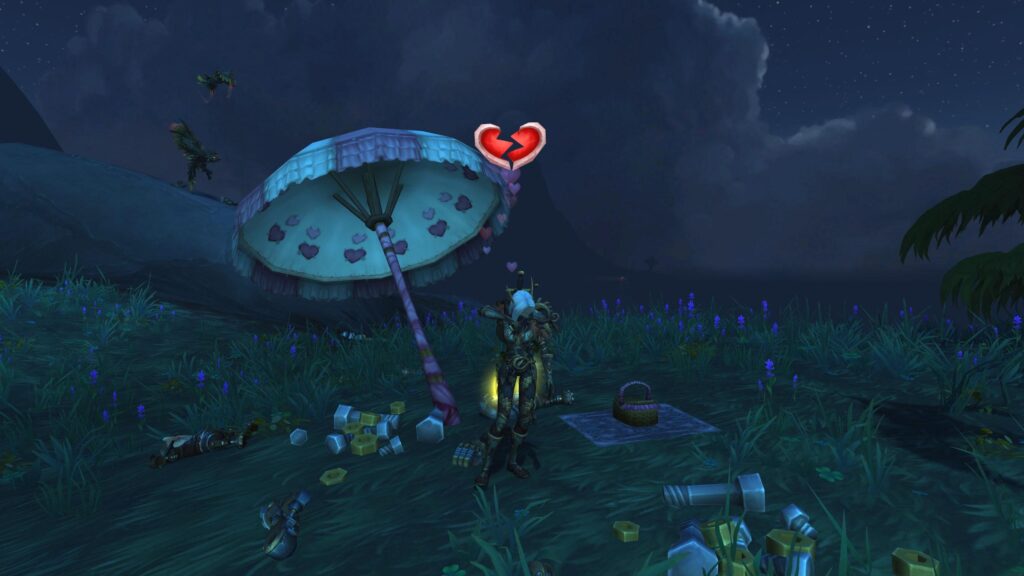
Building on the immersive worlds of WoW and Final Fantasy, character customization options let you shape a unique avatar to navigate these rich narratives. In WoW, you’ll find a plethora of races and classes that greatly influence your avatar’s aesthetics and initial skill trees. Final Fantasy, on the other hand, allows for a detailed adjustment of physical features but ties skill progression more to gear and roles rather than chosen race or class.
Avatar aesthetics in both games offer vast possibilities, from body size and shape to more intricate details like eye color and hairstyles. However, it’s the skill trees where both games diverge in philosophy. WoW provides a more traditional skill tree that impacts gameplay styles, while Final Fantasy opts for a more flexible system influenced by the equipment and your active role in combat.
| Feature | World of Warcraft | Final Fantasy XIV |
|---|---|---|
| Race/Class Impact | High on skills and looks | Minimal, more aesthetic |
| Aesthetic Customiz. | Broad | Extremely detailed |
| Skill Tree Flexibility | Fixed per class/race | Highly flexible with gear |
Thus, depending on whether you prioritize flexibility in skills or depth in character aesthetics, your preference between these two might sway. WoW offers traditional, fixed paths, while Final Fantasy prizes adaptability and detailed aesthetic control.
Combat Mechanics Comparison
When comparing combat mechanics, you’ll notice that WoW emphasizes strategic use of abilities tailored to your class, whereas Final Fantasy focuses on dynamic role-based tactics. In WoW, you’re managing a skill rotation that suits your character’s role, whether you’re tanking, dealing damage, or healing. The tactical depth emerges from how you adapt your rotation in response to different combat scenarios, enhancing both the challenge and the strategy involved.
On the other hand, Final Fantasy’s combat system requires you to be more versatile within your role. You’ll find yourself switching roles, even mid-battle, depending on the team’s needs and the boss mechanics. This not only tests your personal adaptability but also deeply integrates you into the team’s overall strategy. The skill rotation here isn’t just about knowing your class, but also about when to switch roles and how to synergize with your teammates’ moves.
Thus, while WoW offers a more straightforward, class-focused combat experience, Final Fantasy introduces a layer of complexity with its fluid role dynamics. You’ll need to master not just your character’s abilities but also how to effectively collaborate and switch tactics on the fly. Both require tactical acumen, but the approach and skills demanded vary significantly.
Community and Social Features
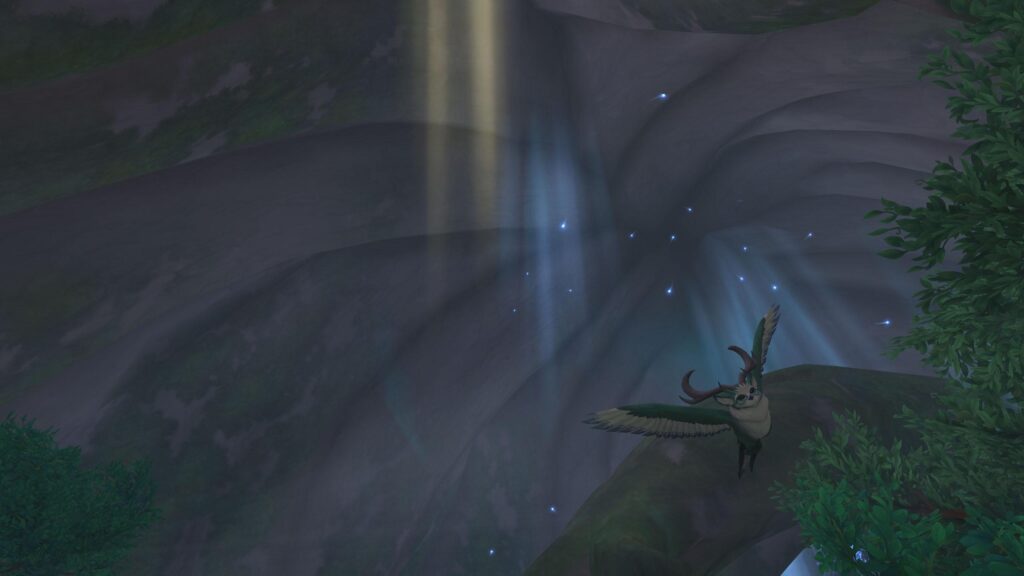
Both WoW and Final Fantasy boast vibrant communities that greatly enhance your gaming experience through various social features. In WoW, you’ll find that guild dynamics play an important role in not only shaping in-game strategies but also in building lasting friendships. Guilds often organize their own events, which can range from raiding parties to more casual get-togethers, fostering a sense of belonging and teamwork.
Final Fantasy, on the other hand, offers a slightly different take on community interaction. Player-driven events are particularly prominent, with players creating and hosting their own storylines and quests. This not only adds depth to the game world but also gives you a unique opportunity to engage creatively with others, making your mark in the game’s expansive universe.
Both games feature robust communication tools designed to enhance collaboration and social interaction. These tools include chat systems, voice communication, and even in-game mail systems, ensuring you’re always just a few clicks away from connecting with fellow players. Whether you’re strategizing over guild management or planning a large-scale player event, these features make it easy to dive deep into the social side of gaming, enriching your overall experience.
Graphics and Visual Appeal
Moving beyond community features, let’s examine how WoW and Final Fantasy differentiate themselves through their graphics and visual appeal. Both games showcase distinct art styles that cater to varied player preferences.
World of Warcraft (WoW) opts for a more stylized, cartoon-like approach which gives it a timeless feel. Its vibrant colors and exaggerated character features stand out, making it easily recognizable even from a glance.
On the other hand, Final Fantasy takes a different route with its hyper-realistic graphics and meticulously detailed characters and environments. The art style here aims for a cinematic experience, immersing you in a world that feels almost tangible. The visual effects in Final Fantasy are particularly remarkable; from spellcasting to the natural environments, everything is designed to awe.
WoW, while not as graphically intense, compensates with its own unique visual effects that align well with its art style. The magical spells and abilities, though less realistic, are visually striking and provide clear visual feedback during intense gameplay.
You’ll find that your preference in graphics might depend on whether you favor a more whimsical or a realistic aesthetic. Both games excel in their chosen style, enhancing your overall gaming experience through their visual artistry.
Expansion Packs and Updates
Expansion packs and updates play an essential role in keeping WoW and Final Fantasy engaging and fresh for players. Both games have a history of delivering content that expands worlds, deepens stories, and introduces new adventures. Here’s how these updates impact your gaming experience:
- Content Frequency: WoW typically releases major expansion packs every two years, alongside regular updates that offer new quests, raids, and features. Final Fantasy isn’t far behind, with expansions also arriving every couple of years and smaller patches in between that add fresh content and gameplay improvements.
- Developer Responsiveness: Both game developers are known for their responsiveness to community feedback, often implementing changes based on your input. This makes each update not just a refresh of the game, but also an answer to player demands and suggestions.
- Innovation and Variety: Each expansion brings innovative features to the games. WoW introduced the concept of alternate player-versus-player combat scenarios in its updates, while Final Fantasy has expanded its narrative depth and gameplay mechanics, keeping you engaged and curious about future developments.
Cost and Subscription Model
Understanding the cost and subscription model is essential as it affects how much you’ll invest in playing WoW or Final Fantasy. Both games offer a subscription-based model, but their approaches and extras differ, impacting your wallet differently.
World of Warcraft (WoW) provides a straightforward subscription model. You’ll pay a monthly fee, which decreases if you commit to a longer period, enhancing payment flexibility. The current rates are about $15 monthly, with slight discounts for three or six-month commitments. WoW also offers a free trial, but it’s limited; you can only level up to a certain point before you need to pay.
Final Fantasy XIV operates similarly regarding basic subscription fees. However, it offers different tiers. The standard subscription lets you create multiple characters per server, while a slightly cheaper option restricts this number. Like WoW, Final Fantasy XIV promotes payment flexibility with varied subscription lengths at different price points. They also provide a more generous free trial, allowing you to play up to level 60, including the critically acclaimed first expansion, Heavensward.
Deciding between the two might come down to how much you value free trial availability and the flexibility in payment options.
Frequently Asked Questions
How Do Wow and Final Fantasy Handle Player Achievements?
In WoW and Final Fantasy, you’ll find distinct reward systems and achievement customization. WoW offers expansive, trackable achievements, while Final Fantasy lets you tailor rewards more closely to your gameplay style and preferences.
Which Game Offers Better Parental Control Features?
You’ll find that WoW offers more robust parental control features, including age restrictions and content filtering, making it easier to manage what your kids can access compared to what Final Fantasy provides.
Can You Switch Factions in Wow or Final Fantasy?
You can switch factions in WoW, enhancing role flexibility and faction dynamics. However, in Final Fantasy, you’re locked into your initial choice, limiting your ability to explore different faction perspectives and dynamics.
What Are the Offline Capabilities of Each Game?
You’re exploring offline capabilities, focusing on solo playability and expansion content. WoW doesn’t offer offline play, while Final Fantasy sometimes allows limited solo activities offline, especially in earlier expansions or side content.
How Do the Games Support Esports and Competitive Play?
You’ll find WoW supports esports with structured tournaments and significant prize pools. Final Fantasy lacks this competitive angle, focusing more on narrative and community events rather than esports-centric competitions.
Conclusion
Deciding whether World of Warcraft (WoW) or Final Fantasy offers the ultimate gaming experience depends on your preferences. WoW excels in strategic combat and deep customization, while Final Fantasy features stunning graphics and dynamic combat systems. Both games provide engaging communities and frequent updates.
Ultimately, the choice hinges on whether you value intricate lore and realism, or strategic depth and mythological richness. Consider the game’s subscription costs and your preferred style to make the best choice for your gaming adventure.
Wanna more? Look here!