
In the lore of World of Warcraft, few narratives are as compelling as that of Edwin VanCleef and the Defias Brotherhood. Often regarded as mere villains to be vanquished, the true story of VanCleef and his followers is steeped in tragedy and betrayal. This guide delves into the complex political backdrop of the Deadmines, examining the circumstances that led to the formation of the Defias Brotherhood and how their motivations challenge the traditional notions of good and evil within Azeroth. Understanding this backstory provides crucial insight into the moral ambiguities that define the game’s narrative.
The Rise of Edwin VanCleef
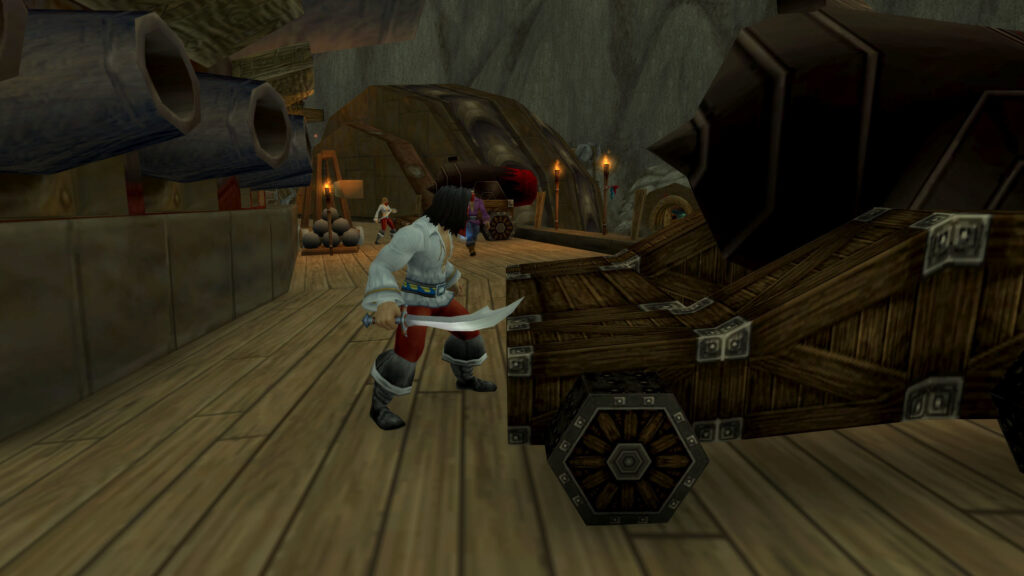
Edwin VanCleef was originally a skilled stone mason, revered for his craftsmanship in the construction of Stormwind’s great walls. However, following the Second War, the city faced a dire need for reconstruction and revitalization. The influx of resources and labor led to the employment of many skilled artisans, including VanCleef. Unfortunately, the bureaucratic corruption within the kingdom resulted in VanCleef and his fellow workers being denied their wages. This betrayal sowed the seeds of resentment in VanCleef, eventually leading to his transformation into a figure of rebellion against the very system he once served. As he gathered disgruntled workers, the Defias Brotherhood was born, setting the stage for the conflict that players encounter in the Deadmines.
The Formation of the Defias Brotherhood
The Defias Brotherhood was not merely a band of thieves but a revolutionary faction comprised of the disillusioned and the oppressed, primarily skilled laborers who had been exploited by the nobility of Stormwind. As they took to the shadows, their initial intent was to reclaim what was rightfully theirs. Led by VanCleef, the Brotherhood began targeting corrupt officials and wealthy merchants, seeking vengeance for the injustices they had suffered. However, as their actions escalated, they increasingly adopted a more villainous reputation, leading many players to view them through a lens of black-and-white morality. Yet, this perspective fails to consider the socio-political context that drove them to such extremes.
The Political Climate of Stormwind
The political landscape of Stormwind at the time was rife with corruption, favoritism, and mismanagement. The nobility, often out of touch with the plight of common citizens, perpetuated a cycle of poverty that fueled dissent among the working class. This environment not only justified the Defias Brotherhood’s initial actions but also contributed to their radicalization. The guild’s transformation from workers seeking justice to a criminal syndicate reflects the desperation and moral decay that can occur when a governing body fails its people. The Brotherhood’s descent into villainy serves as a poignant reminder of how quickly the oppressed can become the oppressors when pushed to their limits.
The Legacy of Edwin VanCleef
Edwin VanCleef’s legacy is one of complexity; while he is often labeled a villain, his actions resonate with themes of resistance and the fight for justice. Players who venture into the Deadmines encounter not just a raid but a narrative steeped in the struggle between the powerful and the powerless. The Defias Brotherhood’s fight against a corrupt system evokes sympathy, forcing players to question their role in the broader narrative of the Alliance and the Horde. The duality of VanCleef’s character challenges players to reconsider the nature of villainy and heroism in a world where morality is often gray.
Conclusion: Understanding the True Villainy
In conclusion, the true villain of the Deadmines is not solely Edwin VanCleef or the Defias Brotherhood, but rather the systemic corruption that birthed their rebellion. The tragic political backstory of VanCleef reveals how societal failures can generate conflict and breed animosity among the oppressed. To fully appreciate the narrative surrounding the Defias, players must engage with the larger themes of justice, betrayal, and moral ambiguity. By acknowledging these elements, we can better understand the complexities of the characters we encounter in our adventures across Azeroth, and the multifaceted world of Warcraft lore.
| Key Events | Impact on VanCleef |
|---|---|
| Second War | Increased demand for construction, leading to exploitation. |
| Denial of Wages | Fueled resentment and betrayal among workers. |
| Formation of the Defias | Marked the shift from workers to revolutionaries. |
- Corruption within Stormwind’s government
- The struggle for labor rights
- The transformation from victim to villain
- Legacy of the Defias Brotherhood in Azeroth